
Banquets and Mills: A Look at Jesmond Dene
In this blog, Cathryn takes a look at the history of Jesmond Dene and its landmarks.
Jesmond Dene as we know it today was created by Lord Armstrong and his wife. The couple had lived next to the dene since the mid-1830s, and they bought large parts of the surrounding land in the 1850s. Together they remodelled the valley planting trees, building footpaths and adding the waterfall, weirs and rock islands etc. Although the dene was enclosed as private parkland the public were allowed access twice a week for a small fee.
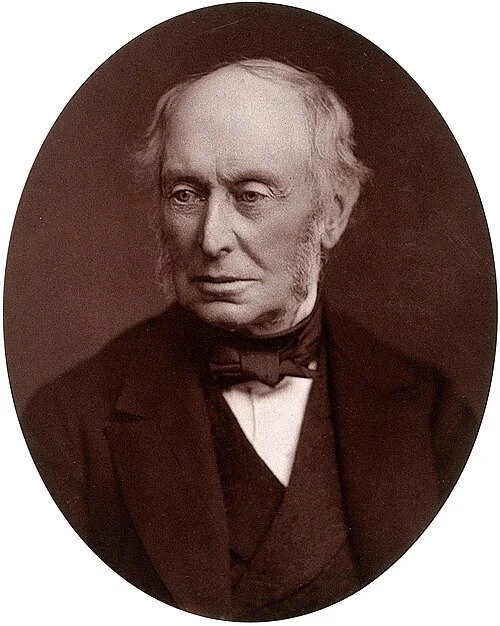
William Armstrong, 1st Baron Armstrong
St Mary’s Chapel and St Mary’s Well
This now ruined chapel was built at some point in the 1100s, likely by the Grenville family who were then Lords of Jesmond. The first record of the chapel was in 1272, when court records show that a cleric, Robert Sautmereis, was sent to Newcastle Gaol after attacking a merchant. He escaped with the help of four other clerics and came to the chapel before making his way to Tynemouth where he claimed sanctuary. The chapel has had various owners over the years. The site was once held by the Priors of Tynemouth, whilst the division of the local manor between three sisters in 1333 led to confusion as to who had rights over the chapel with Edward III taking over in 1364. The Mayor and Corporation of Newcastle bought the chapel from Edward VI in 1549 for £144 13s 4d, and the site again continued to change hands over the years until it came into the possession of Lord Armstrong who gifted it, alongside the rest of Jesmond Dene to the people of Newcastle in 1883. As discussed in our blog post about Medieval pilgrimage, St Mary’s Chapel was a popular site with pilgrims, and the nearby St Mary’s Well may also have been a draw. Although the current well was built sometime in the 1600s it is possible that an earlier well existed on or near the site. A bathing pool was added in the early 1700s by William Coulson, (the site has supposed healing properties), before being remodelled in the 1800s.
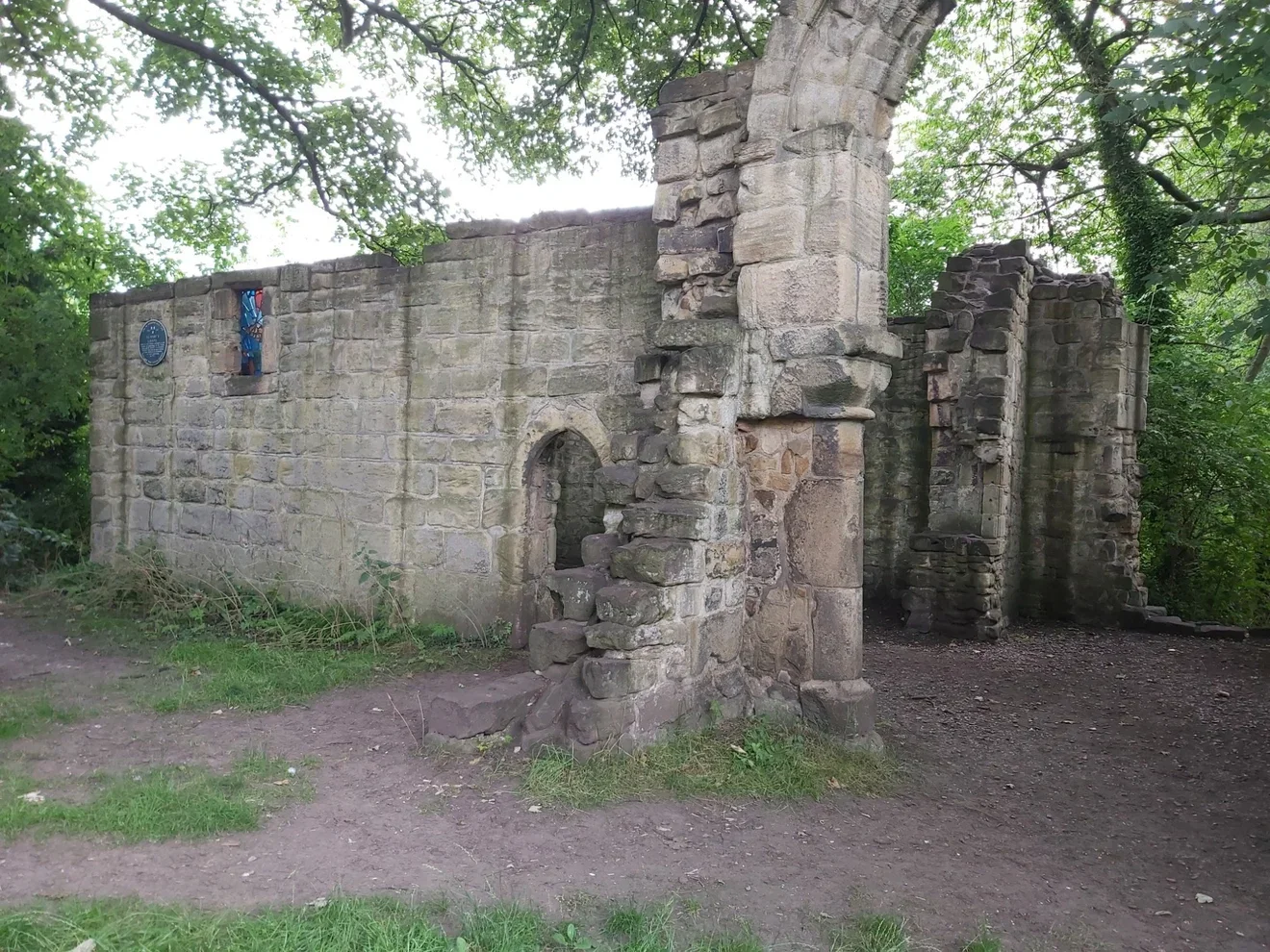
St Mary’s Chapel
Banqueting Hall
The Banqueting Hall was built for Lord Armstrong by John Dobson and was completed in 1862. Built in the Italianate style it was an extension to the mansion that Armstrong had built to the west of Jesmond Dene in 1835. The hall was used by Armstrong to entertain important guests, and in 1870 this was further extended by the addition of a gatehouse built by Norman Shaw. The gatehouse, built in a Gothic Revival style, contained an art gallery and reception hall as well as access to the main banqueting hall. By the early 1880s Armstrong was spending more time at his country home, Cragside and in 1883 the banqueting hall and surrounding parkland were donated to the Newcastle Corporation. The following year the park was officially opened by the Prince and Princes of Wales. Following its’ donation, the hall was mostly used by the Newcastle Corporation for entertaining civic guests, but by 1970 the hall was disused, and in 1977 the roof was removed. Today only the shell of the Banqueting Hall remains, alongside the gatehouse.
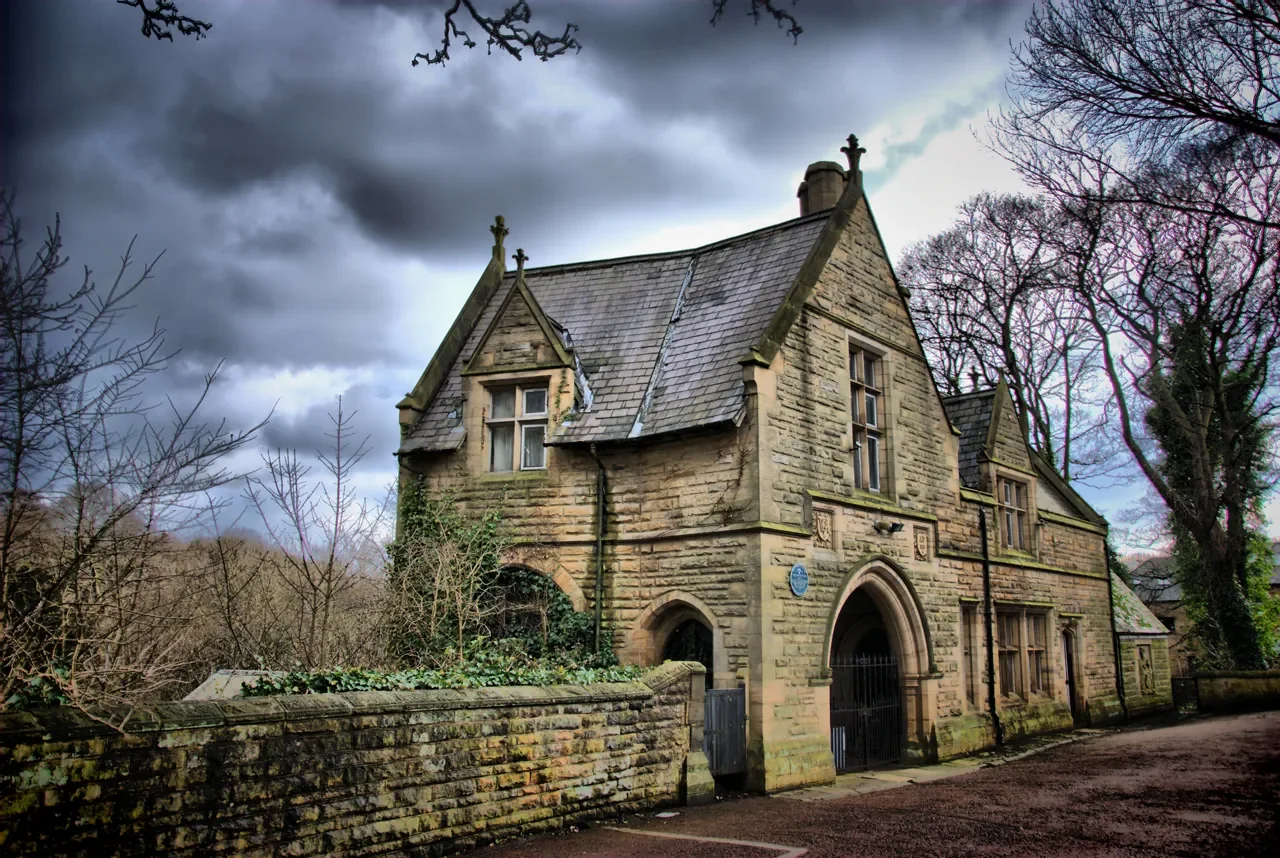
Lord Armstrong's Banqueting House
Old Mill
A mill was first recorded in the area in 1739; although records show that mills existed in the area from at least the 1200s. At the time it was called Mabel’s Mill. The current building we see today dates to the 1800s. By 1848 its’ name had changed to Heaton Mill, and it came into the ownership of Lord Armstrong in 1862. No milling has taken place at the mill since Armstrong’s purchase, although it was still inhabited until the 1920s. The mill was badly damaged during the Second World War when the local Home Guard used it to practice using explosives. The mill has been used in the production in several types of material. The Freeman family worked as flour millers on the site for several generations. It was then used by a Mr Pigg to grind pig meal, and subsequently by a Mr Charlton to grind flint for the pottery industry.
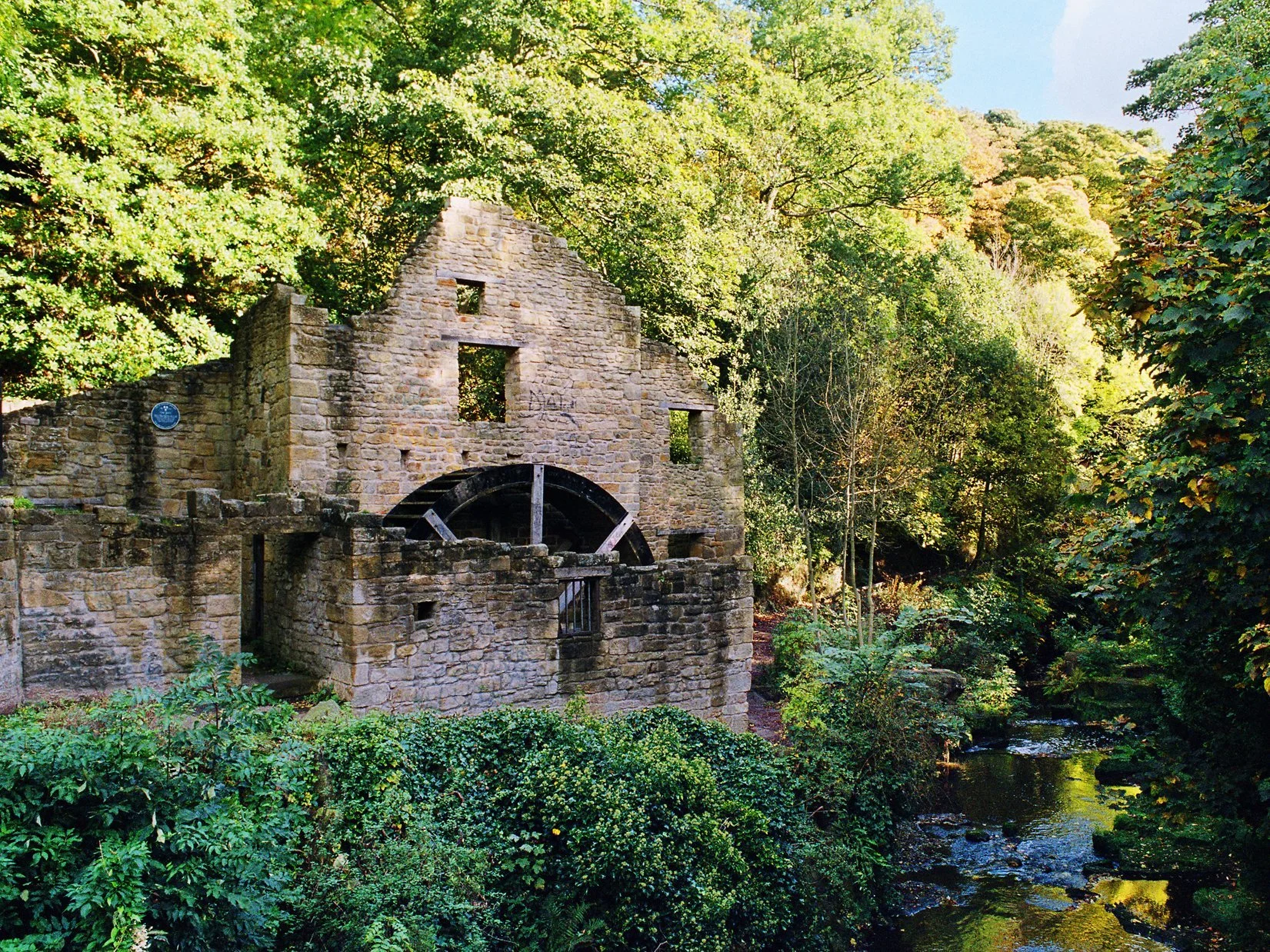
The Old Mill
So there we are, a look at Jesmond Dene and some of the landmarks that can be found there.