OUR SPACES
Get to know our beautiful site!
The Black Gate
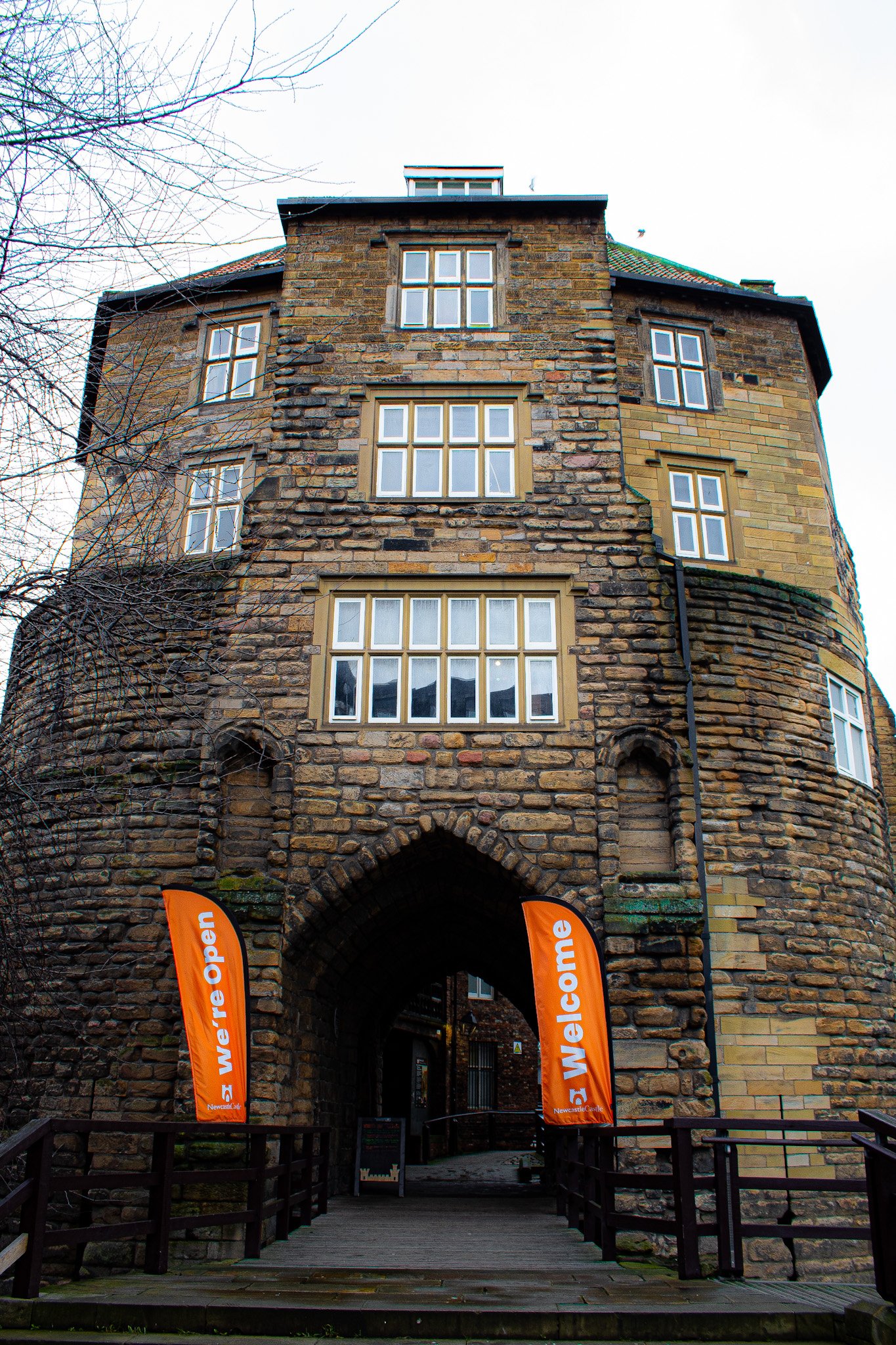
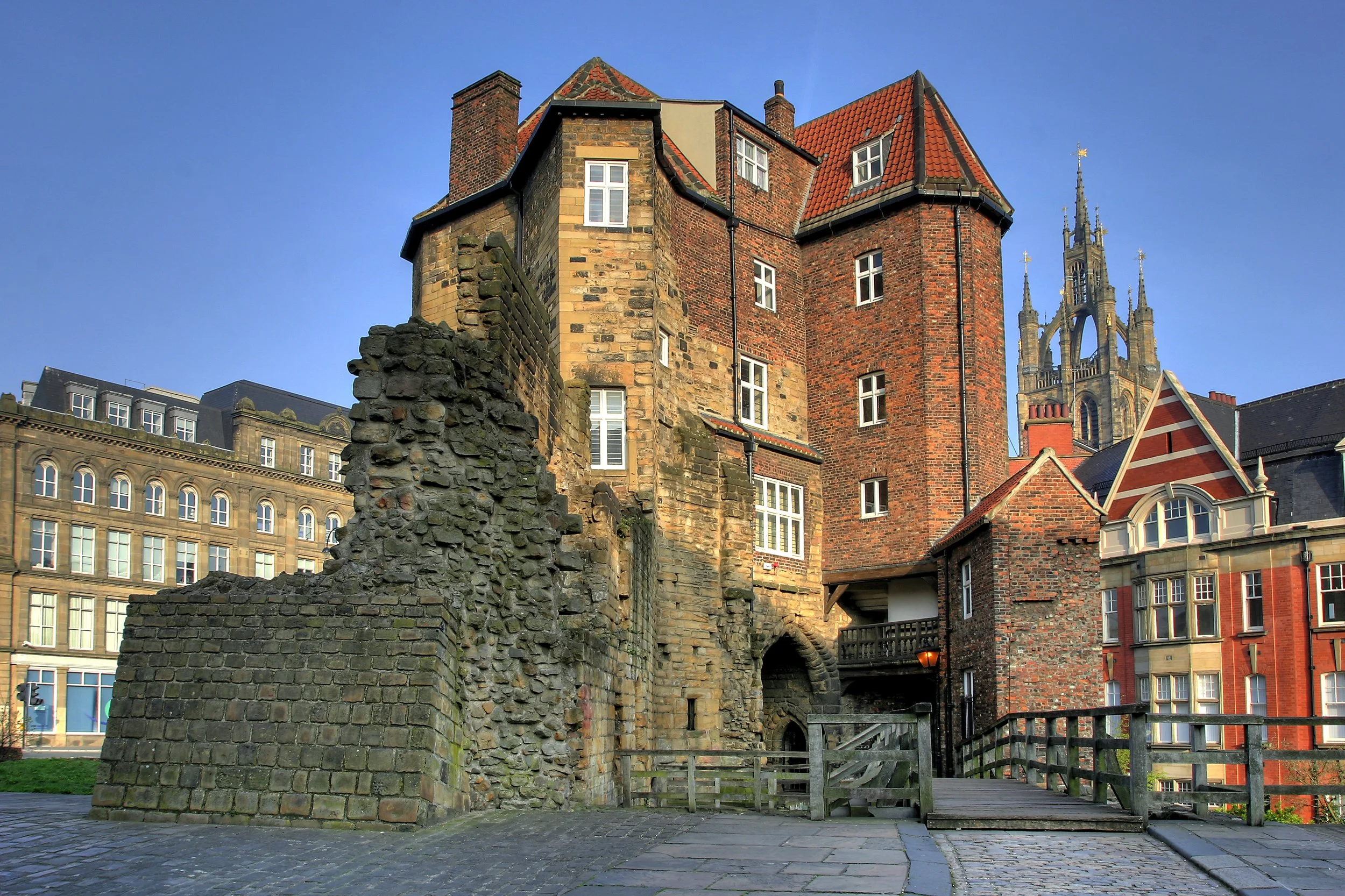
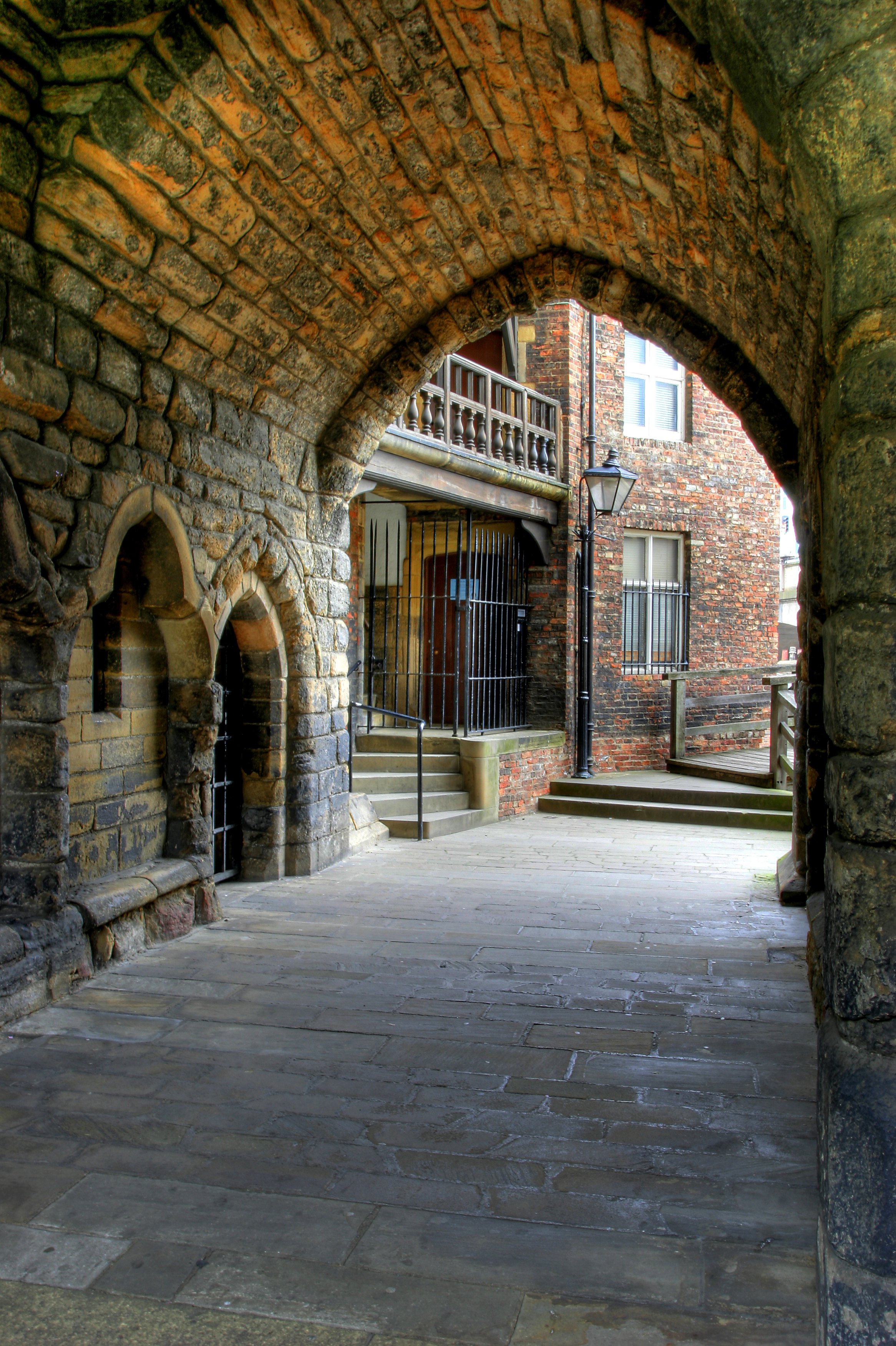
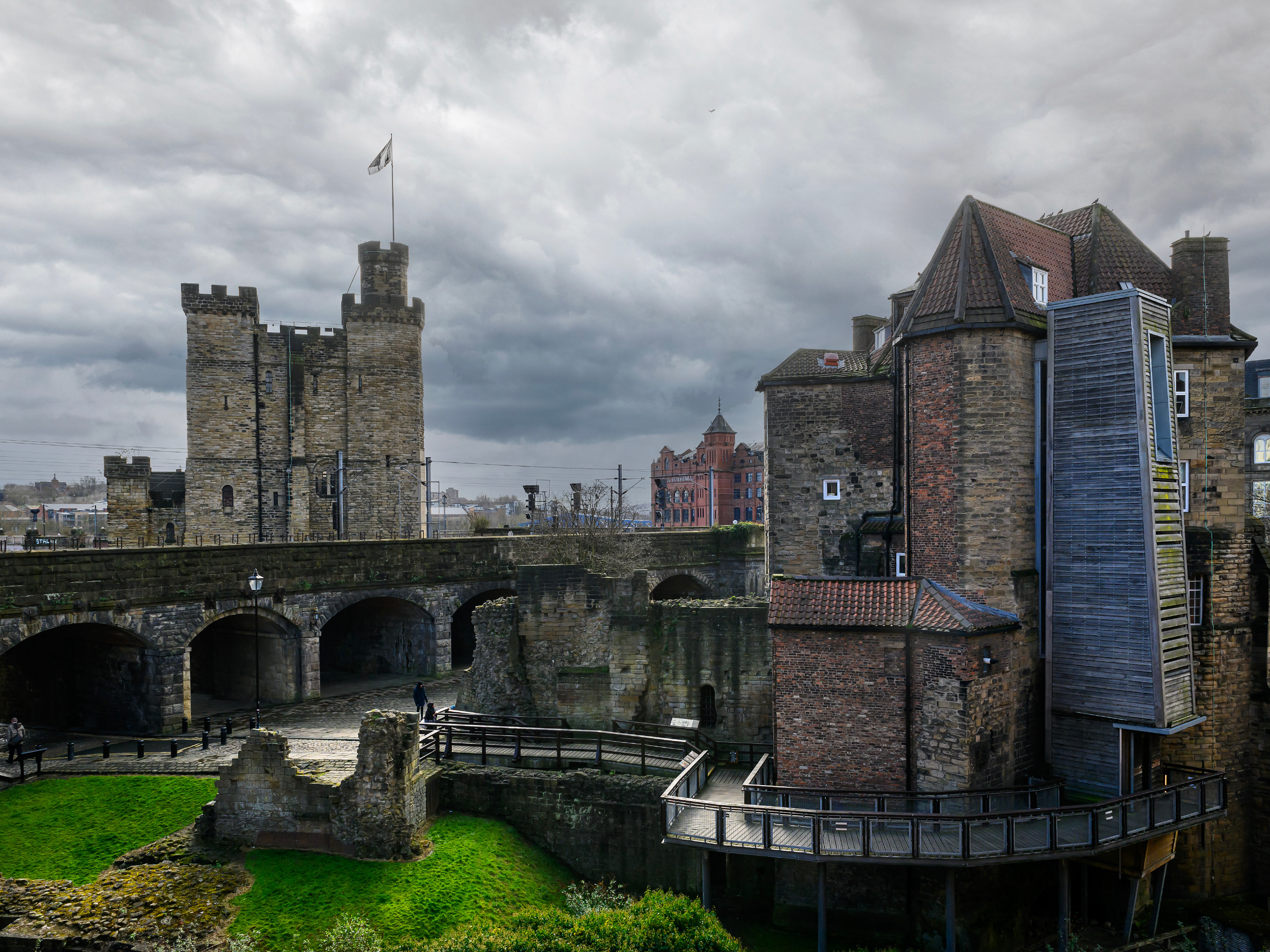
The first thing you’ll see as you approach our site from the city centre is the Black Gate. Added to the Castle’s defences in 1247-1250, during the reign of Henry III, this entrance includes a drawbridge and a moat (the latter of which partly remains today). Surviving grooves in the arched passage through the gatehouse indicate the site of a portcullis, or grid-gate.
The upper floors and roof were added in the early 17th century when the gatehouse was rebuilt by Alexander Stephenson. The building was used for housing, and later a pub opened inside! By the early 19th century, the Black Gate had become a maze of slum dwellings and was saved from demolition by the Society of Antiquaries of Newcastle, who restored it and opened Newcastle’s first public museum.
The Castle Garth
The Castle Garth is what we call the area that encompasses the two buildings on our site. The outdoor public space connecting the two remaining components of the castle is steeped in history itself! A Great Hall would have stood as a separate building, roughly where the Vermont Hotel is today. We have recreated the “Great Hall” inside the castle Keep, to show where entertainment and business would have been conducted. Other buildings within the garth would have included stables and a church.
Only parts of the south and east curtain wall survive today. A large fragment survives from the Castle Steps to the remains of a tower behind the Bridge Hotel. Another length of wall can be seen at the top of the Dog Leap Stairs.
In this outdoor area, you can also see the “Heron Pit”, where unlucky prisoners would’ve been held captive by the infamous Sheriff Heron, as well as the remains of a Norman Chapel underneath one of the railway arches.
The main East Coast railway line runs straight through our Castle Garth too. Come and wave hello to the trains passing through here on their way to Edinburgh!
And don’t forget that before this site was Norman, it was a powerful Roman fort called Pons Aelius, forming part of Hadrian’s Wall! As you walk between our buildings, you’re quite literally walking in the footsteps of Roman soldiers.
The Keep
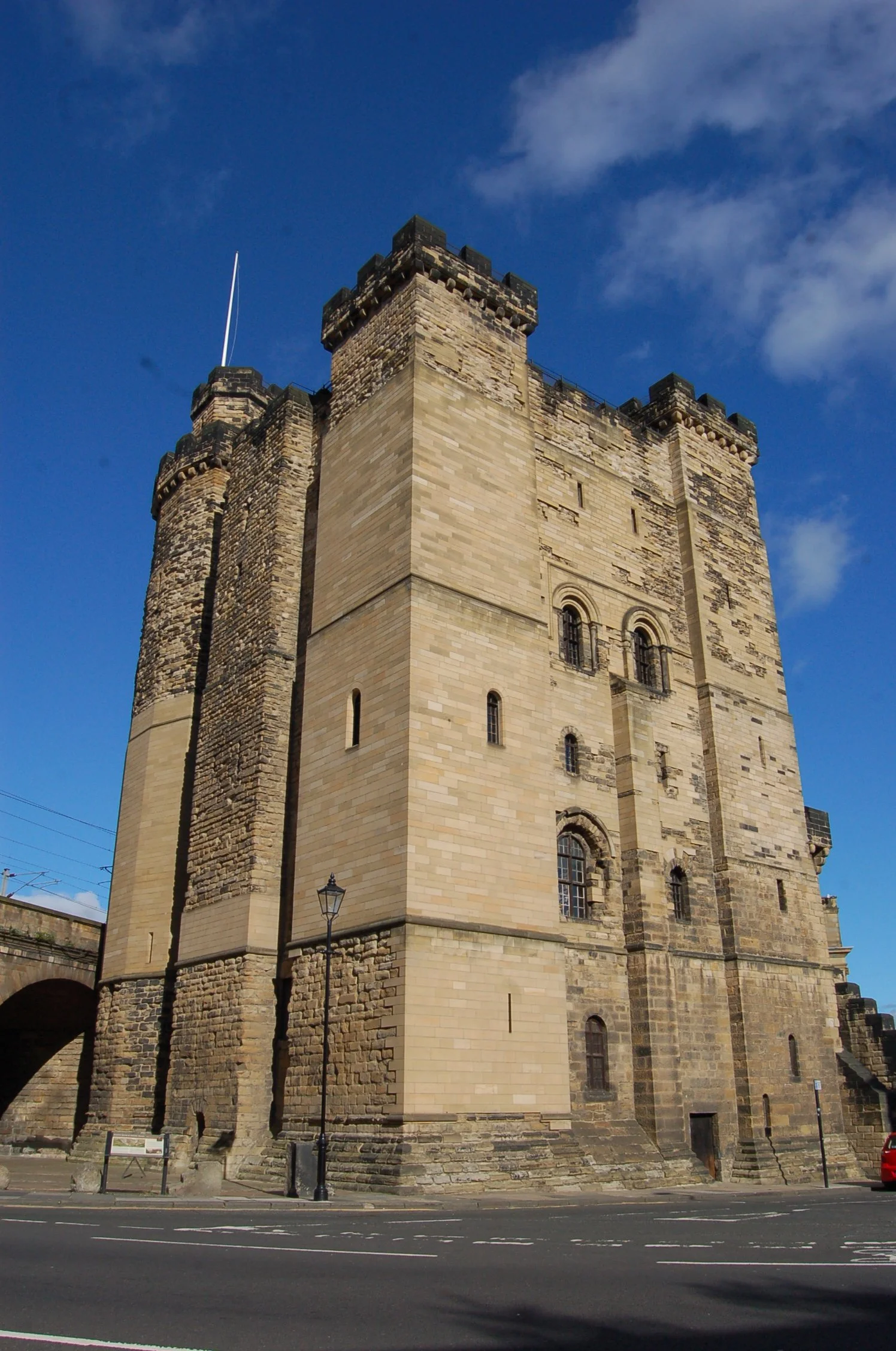
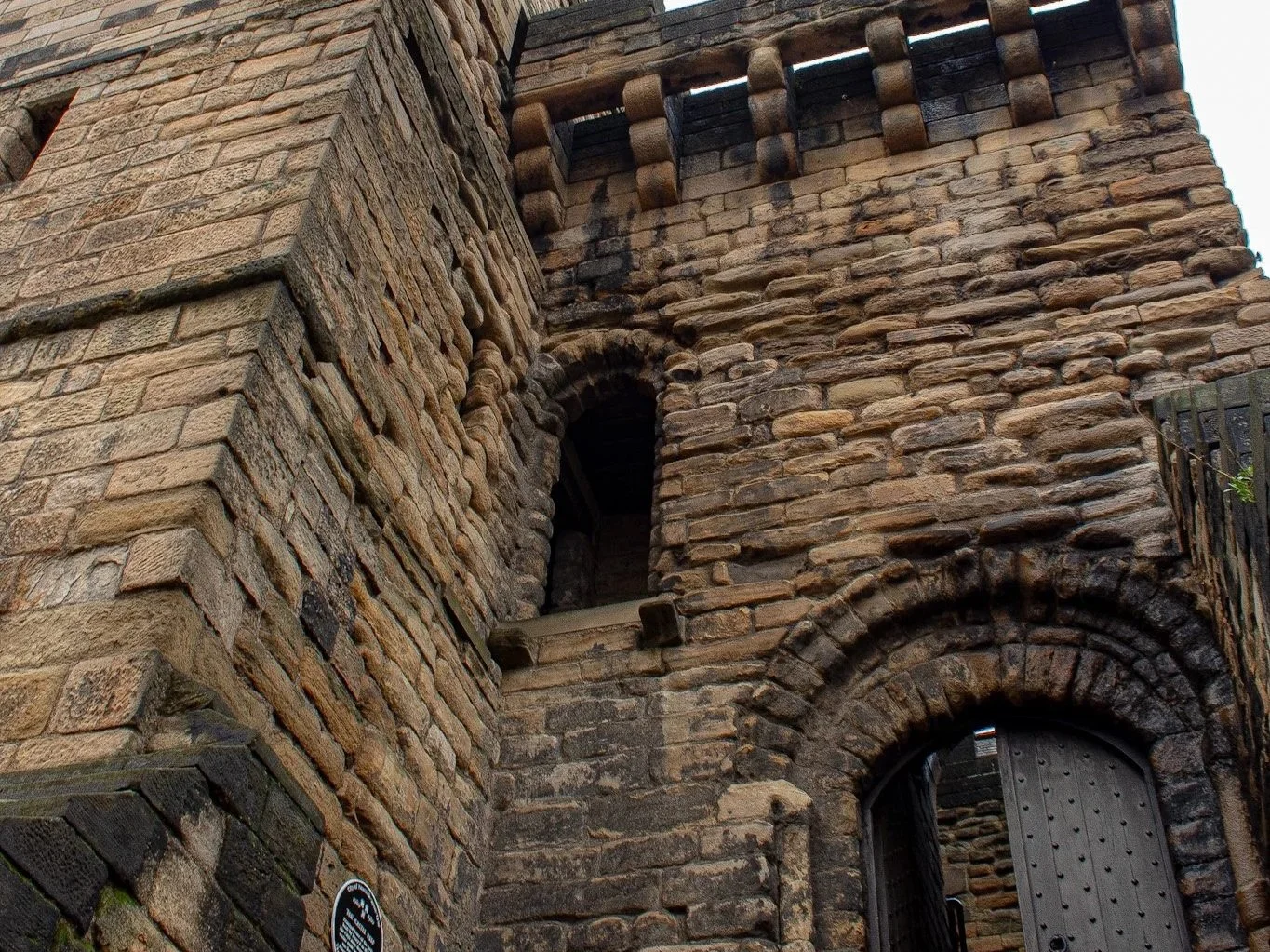
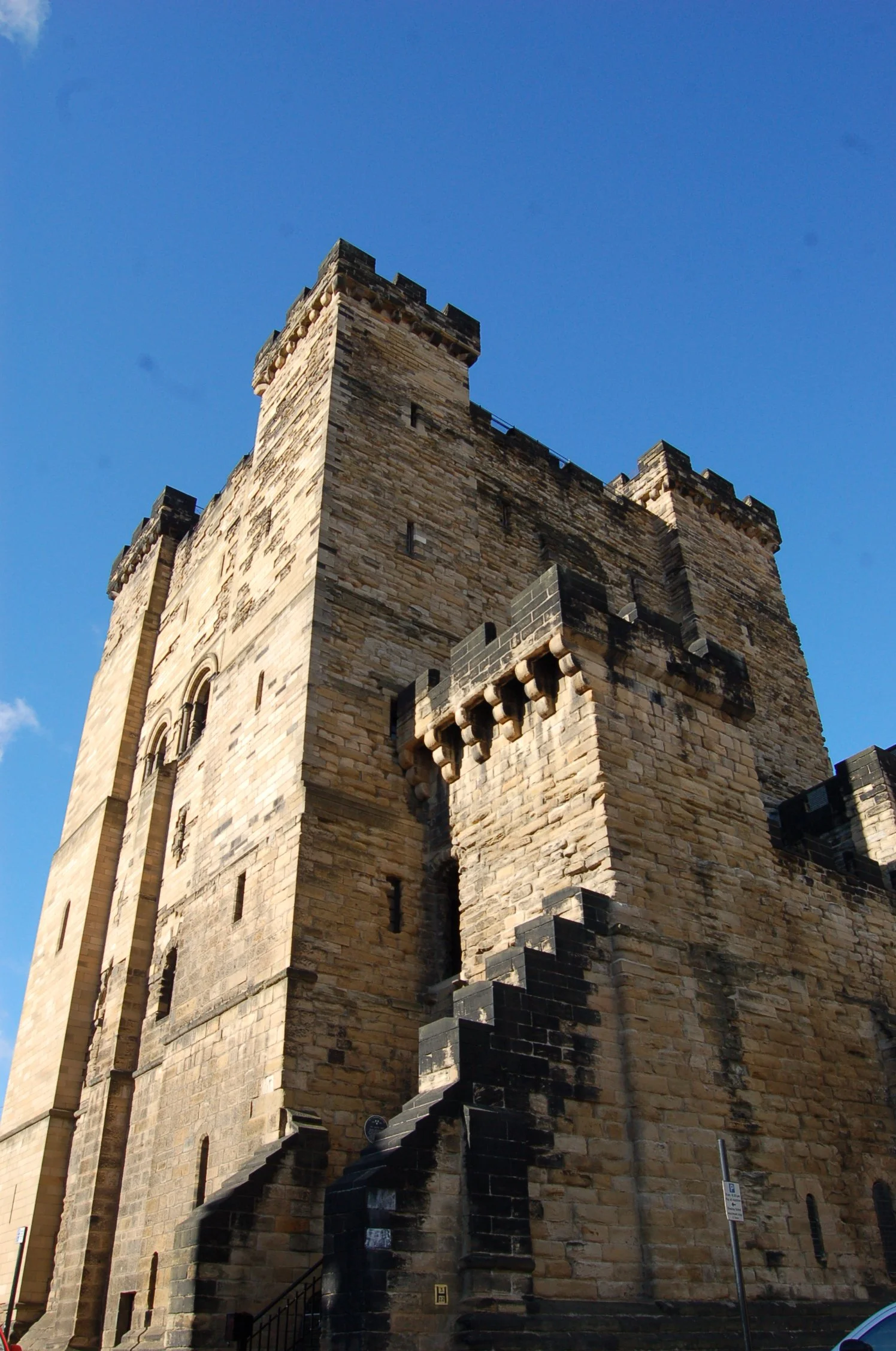
The main building of our site is the Keep. This was the principal strongpoint of the castle. It was also the dwelling of the Constable, who commanded the garrison, and a centre for royal justice and administration in Northumberland.
The accommodation consisted of one large room on each floor (there are now three, but may have been originally four), with subsidiary rooms, garderobes (medieval toilets!), stairs, and galleries, all contained within the thickness of the walls.
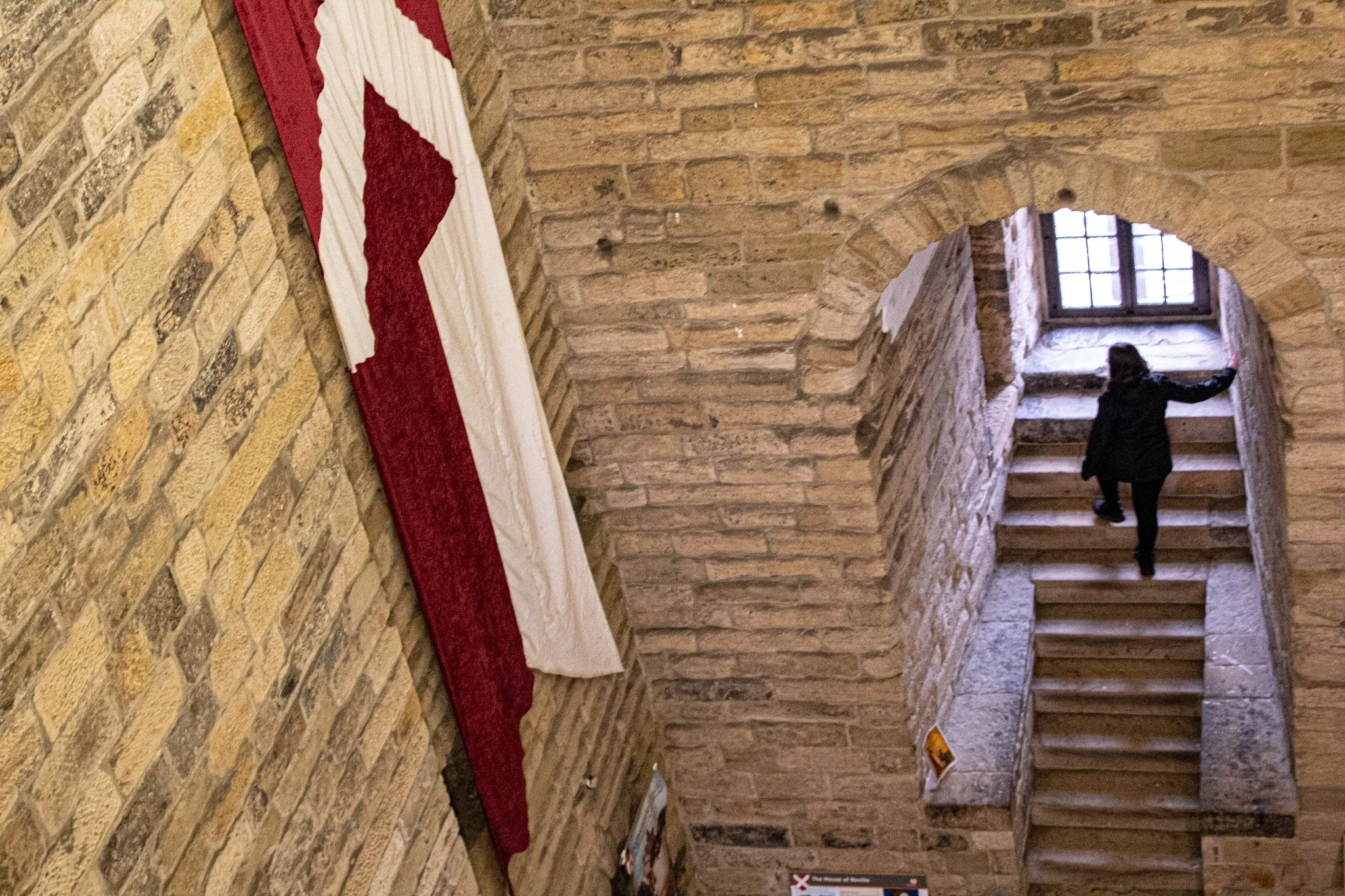
For defence purposes, the principal entrance was on the third level, reached by a steep external stair.
Museum Room
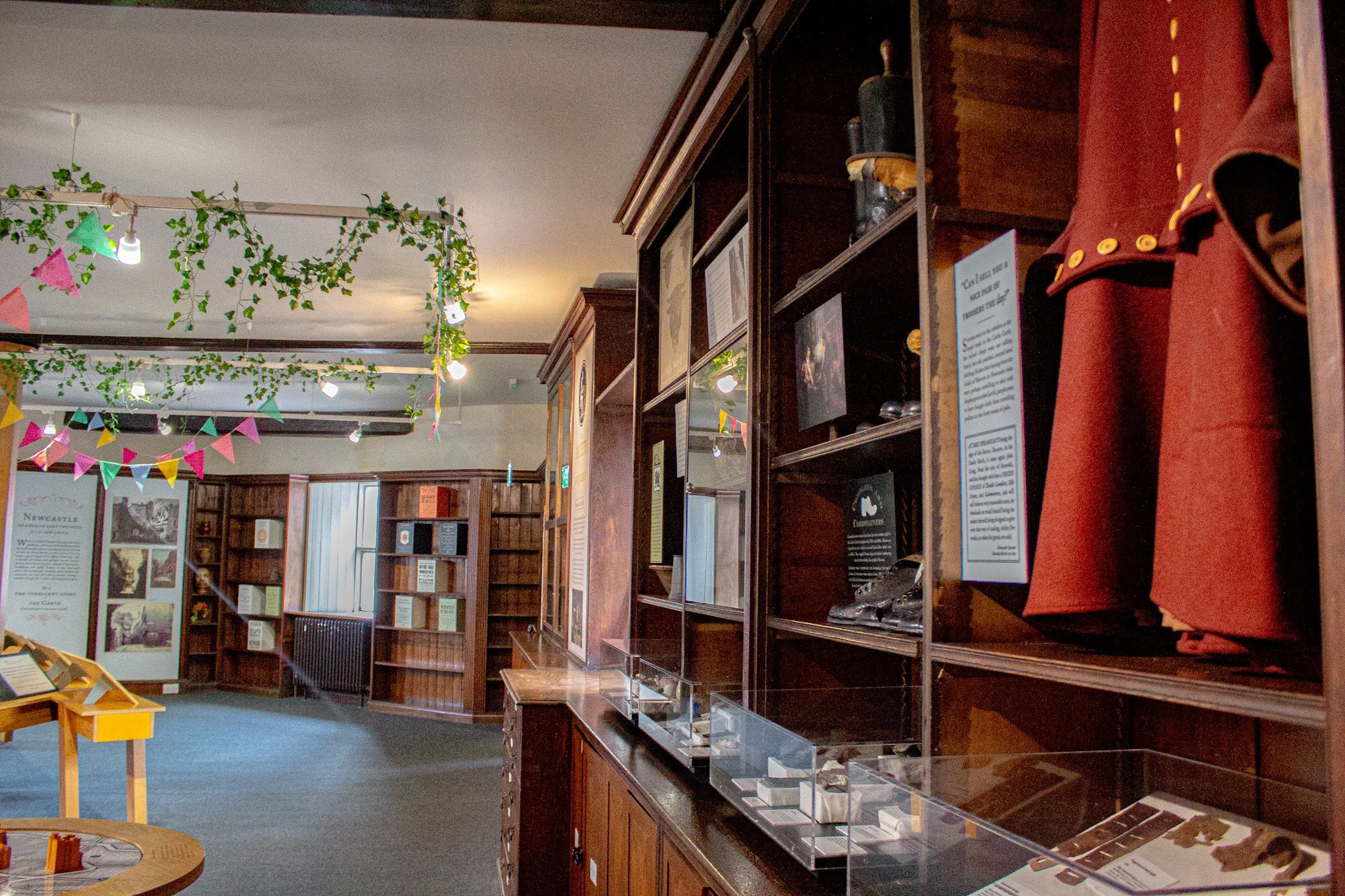
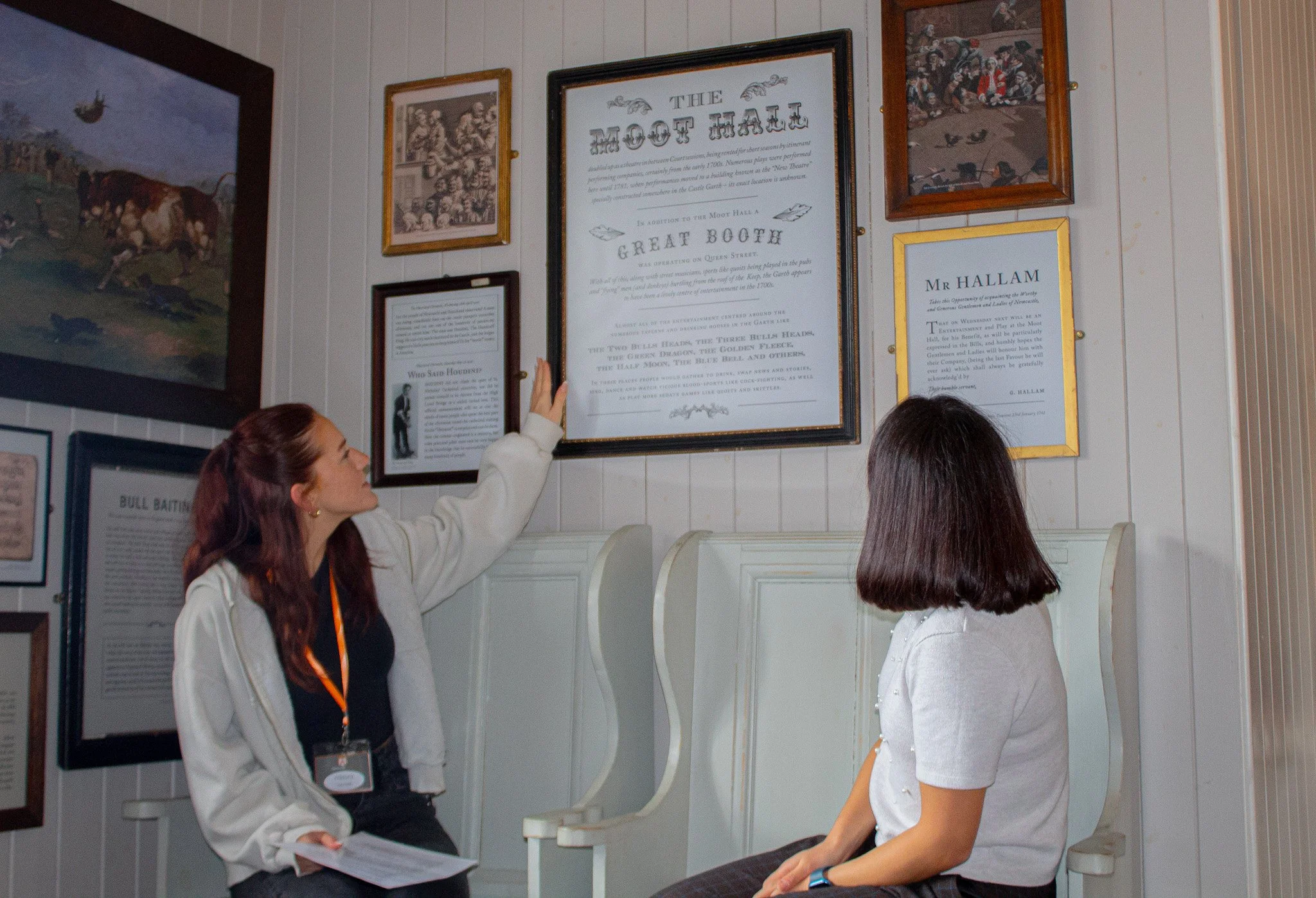
On the third floor of the Black Gate is our Museum Room, where you can discover the lives of the many people who lived and worked in this building from the 17th century onwards. Shoemakers, blacksmiths, tavern-keepers and many families, all made the Black Gate their home!
You can also learn more about the Society of Antiquaries of Newcastle Upon Tyne, thanks to whom we can continue to enjoy this historic building today.
And anyone who enjoys a bit of dress-up, can get into character by adopting the style of some of the historic Black Gate residents!
The Roof
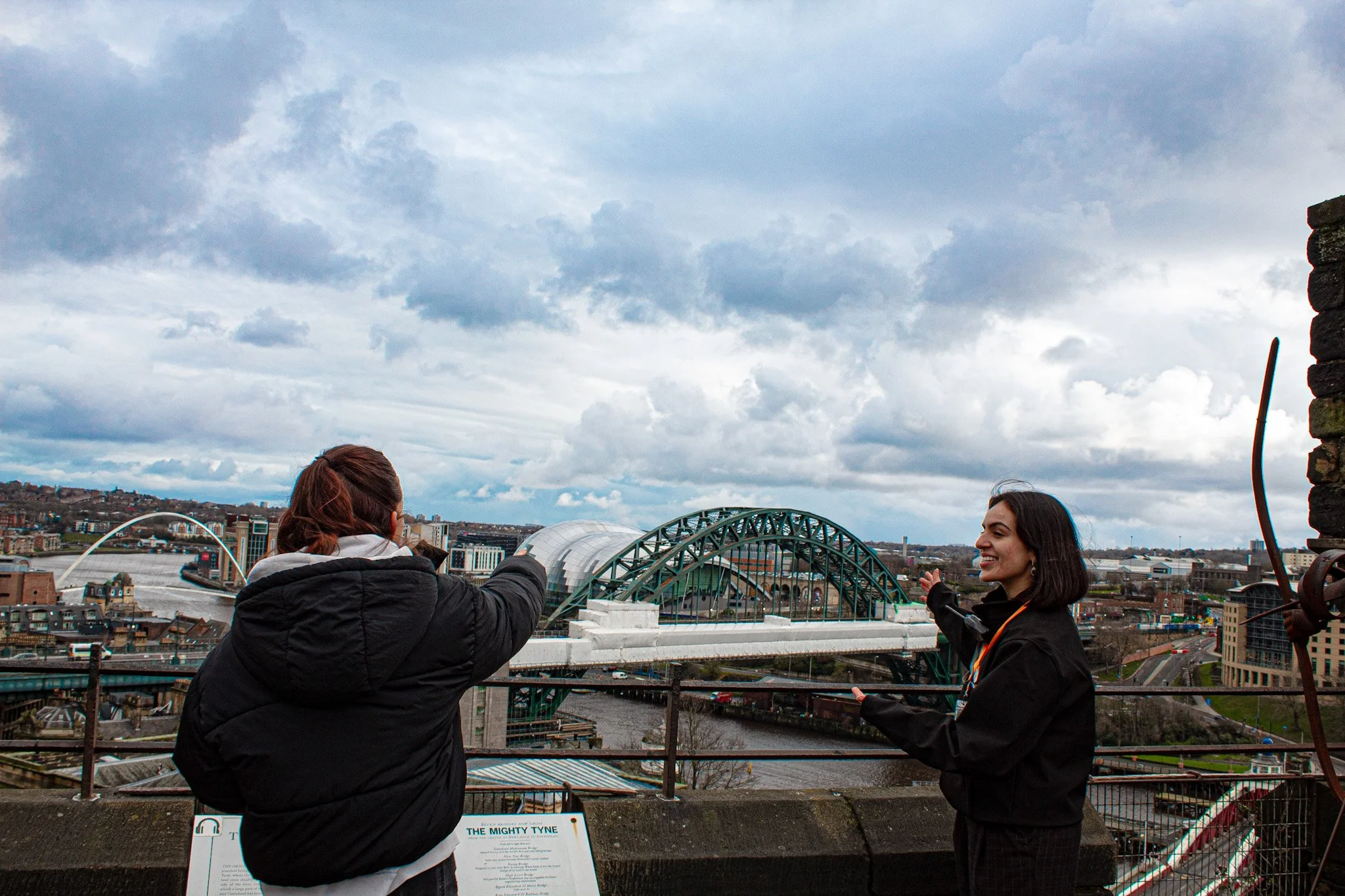
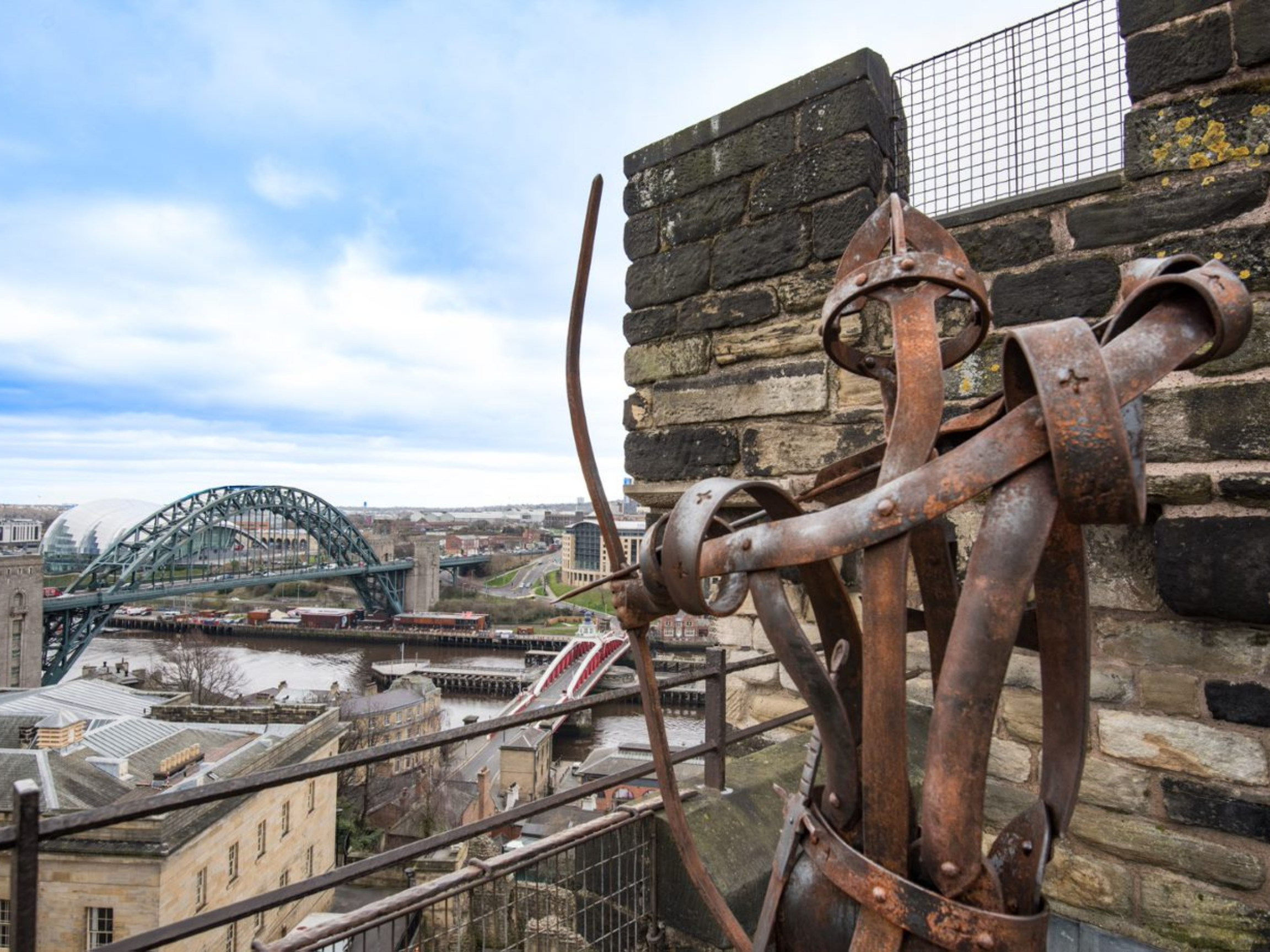
The roof of the Keep is a visitor favourite. With 360 views of the city, you can see all the way over the River Tyne and into Gateshead, the railway crossing of Newcastle Central train station, and for the football fans out there, you can even see St James’ Park Stadium!
The roof was originally steeply pitched and made of timber, probably with a walkway around the inside edge of the exterior walls.
Today’s flat paved roof is from the 1810-12 restoration, and the four square towers you can see at the top, one of which holds our flag, were also added during the Victorian period, to make it look a little more “castley” (admittedly, it worked!)
The Chapel
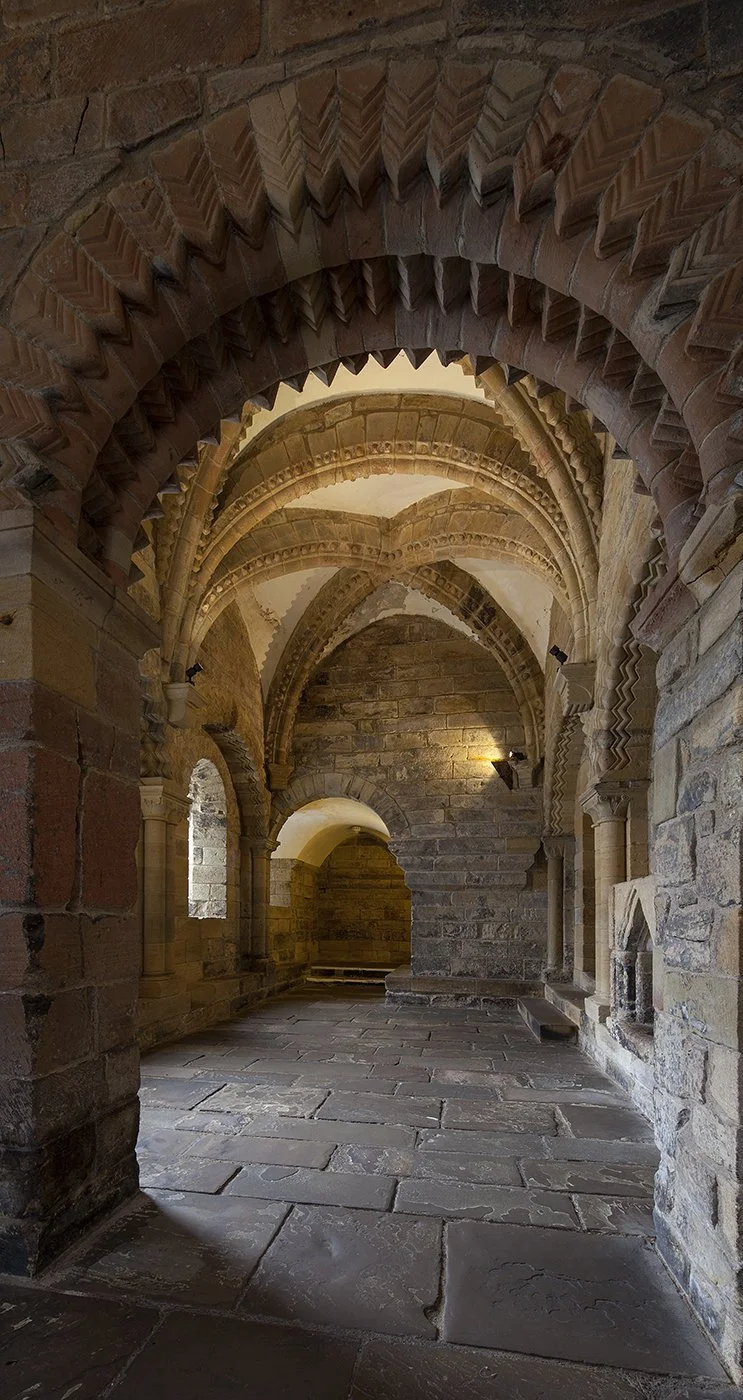
Originally only accessible from outside the Keep, the Chapel can now be accessed through a small chamber at the bottom of the spiral stairs.
The Chapel underwent restoration in 1813 and 1848, although some of the Norman decoration is original.
The Gaol
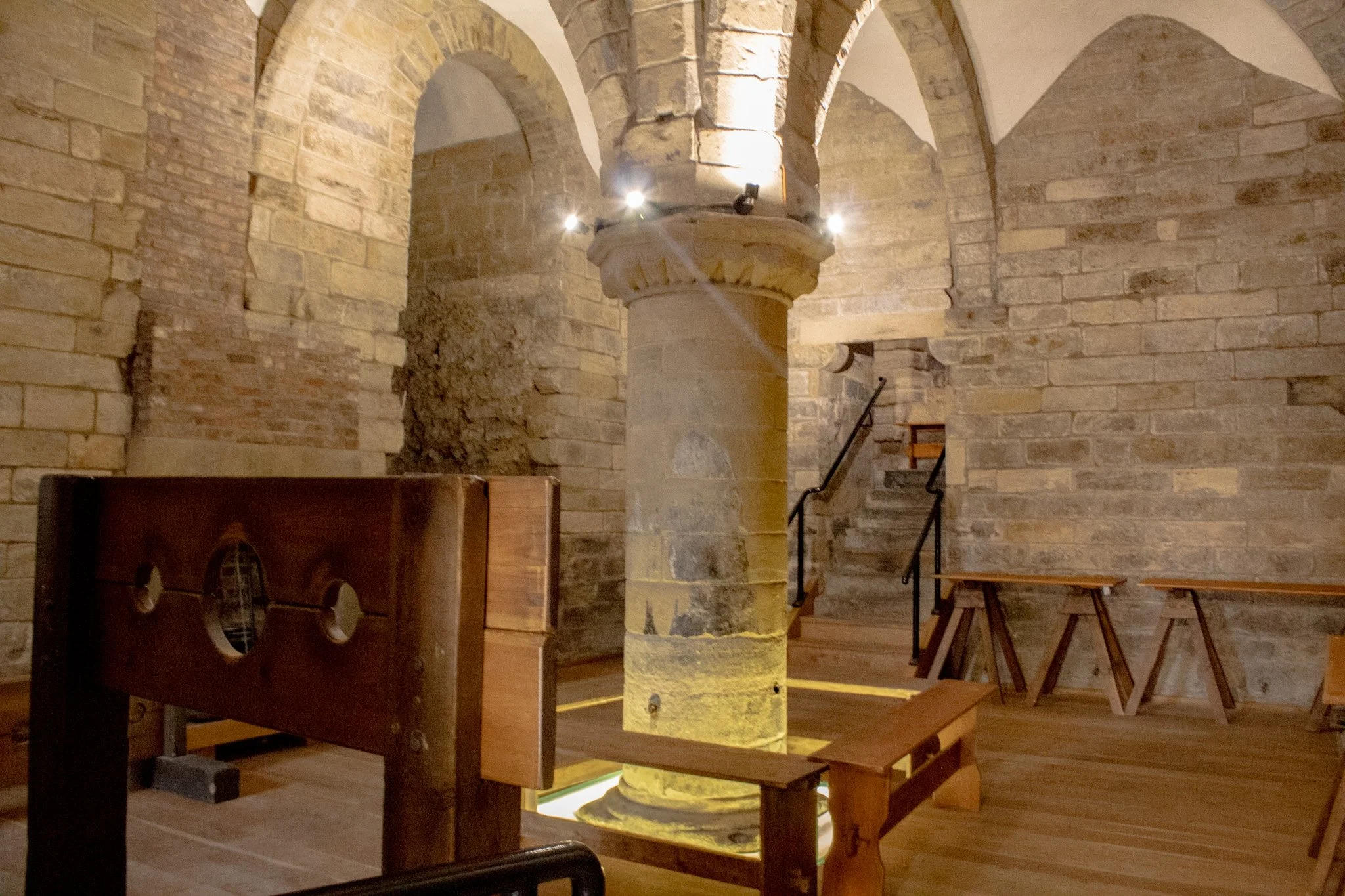
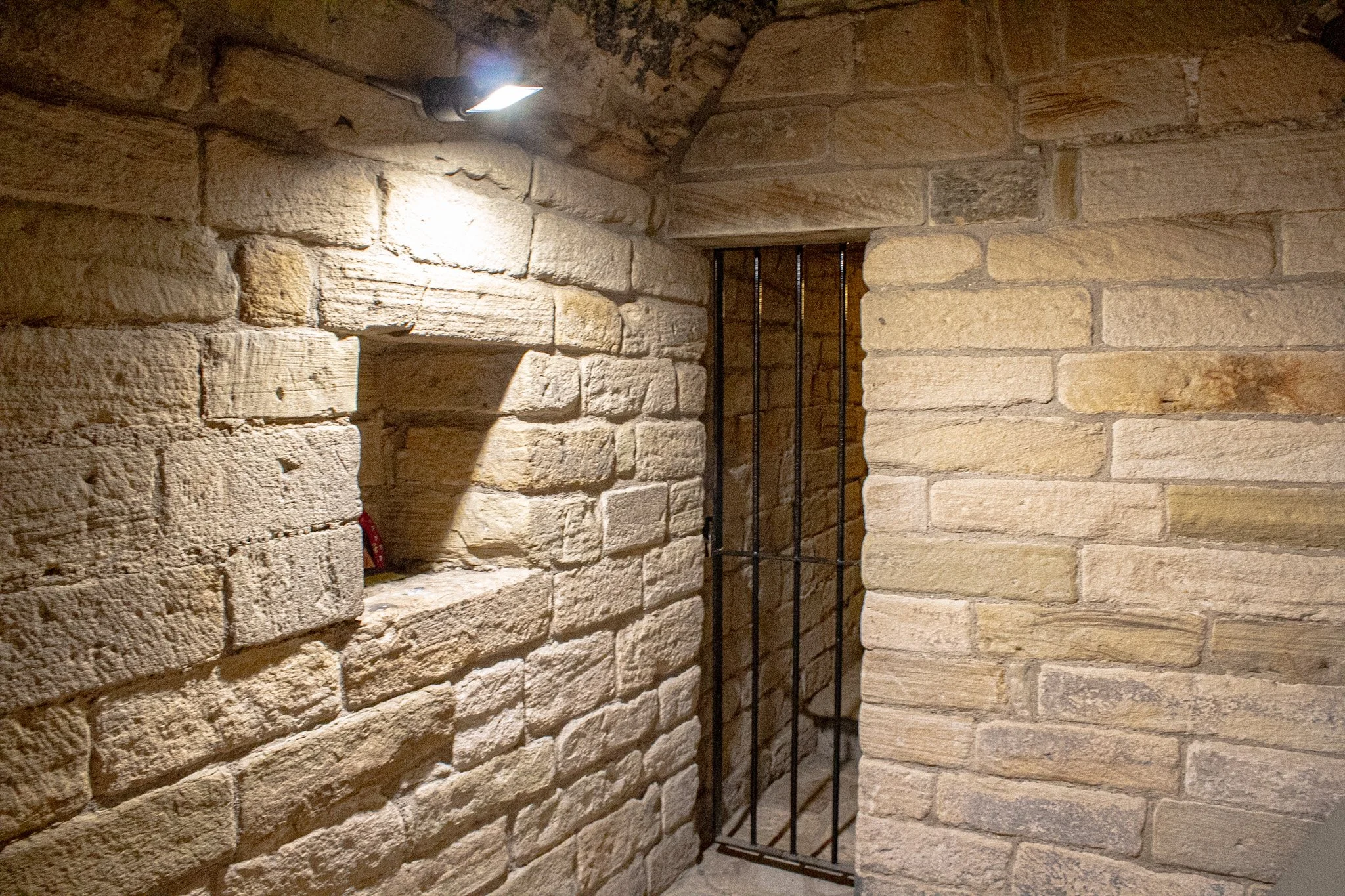
The Gaol (jail) is at the bottom of the spiral stairs and was probably originally used for storage. The central pillar within the room has the remains of lead pipe, part of the medieval plumbing system by which water could be distributed from the Well Room at third level.
Rings in the walls are associated with prison use. A small chamber at the top of the window steps was probably a prison cell, with its own garderobe.
The space was used as an air-raid shelter in World War Two.
The Great Hall
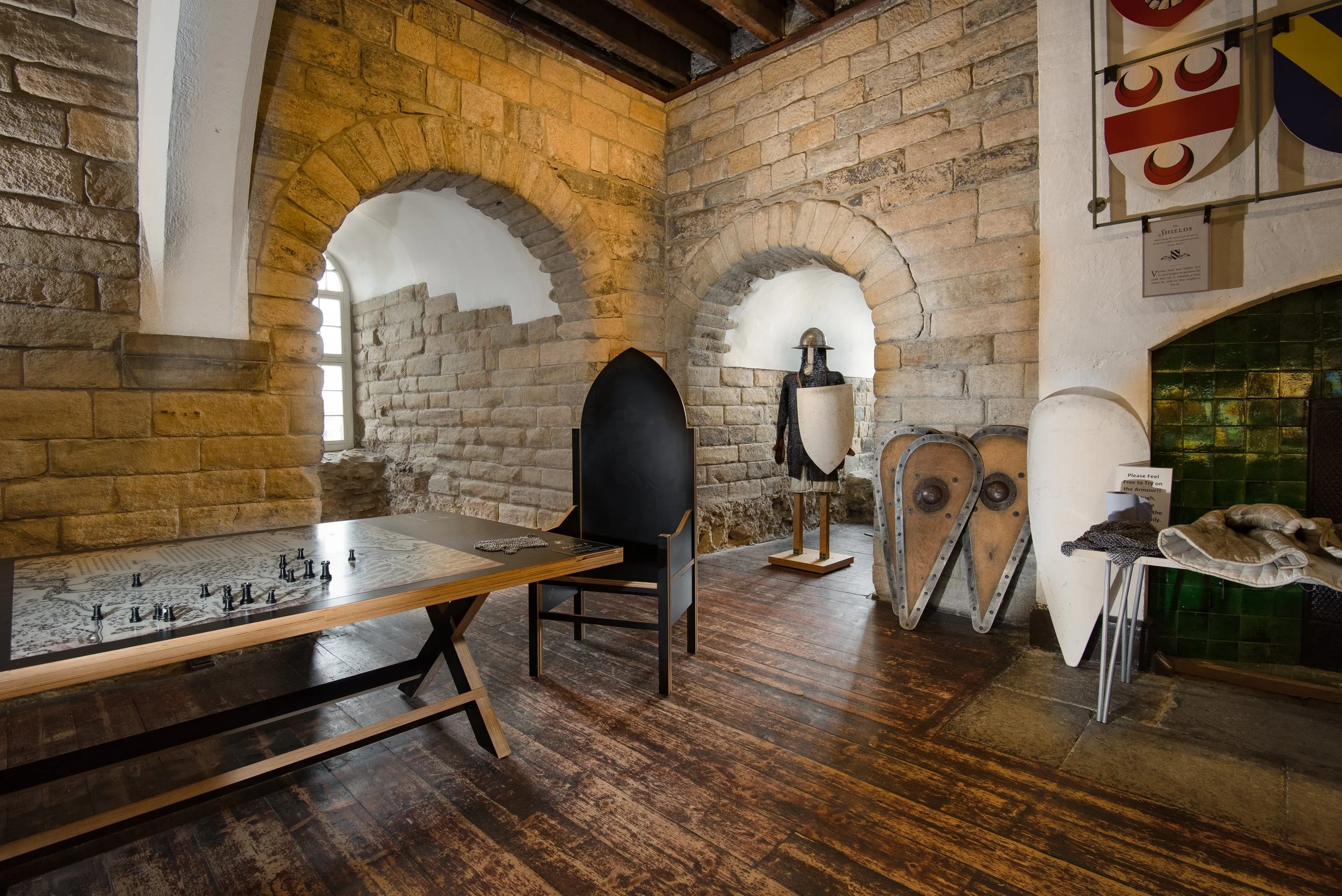
Originally, the Great Hall would’ve been a separate building approximately standing where the Vermont Hotel is today. As that building no longer exists, we have recreated a “Great Hall” inside the Keep, to give you an idea of what it would’ve looked like!
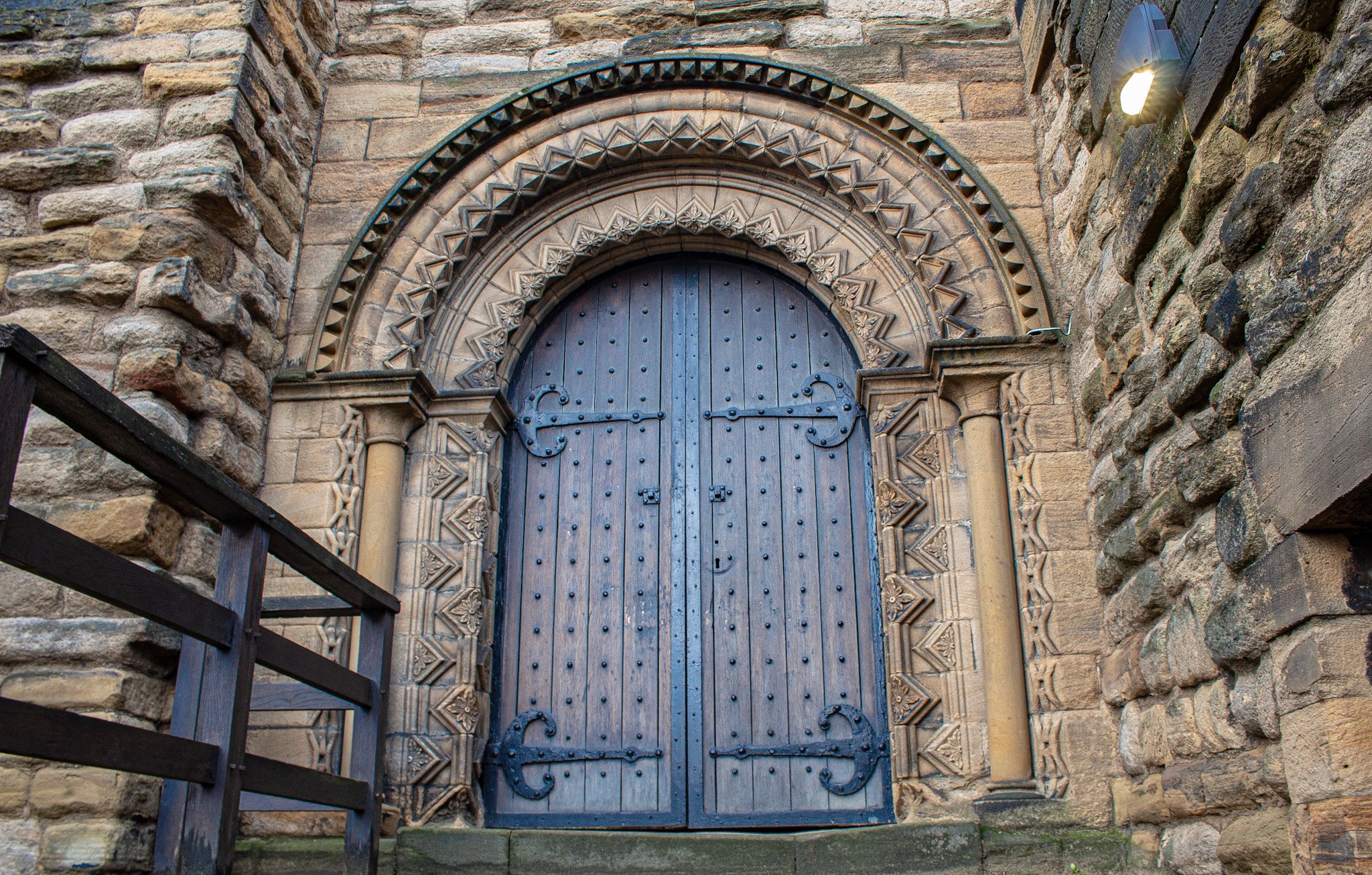
The ceiling of this room would have initially been much lower, with another floor above, probably accessible from the gallery. The original main entrance into the keep can be seen through the decorated arched doorway, a faithful copy of the original from John Dobson’s restoration in 1848.
The Great Hall was used as a prison for male debtors in the 1820s.
See if you can find the prison cell where Mary Bruce, Robert the Bruce’s sister, was imprisoned for four years!
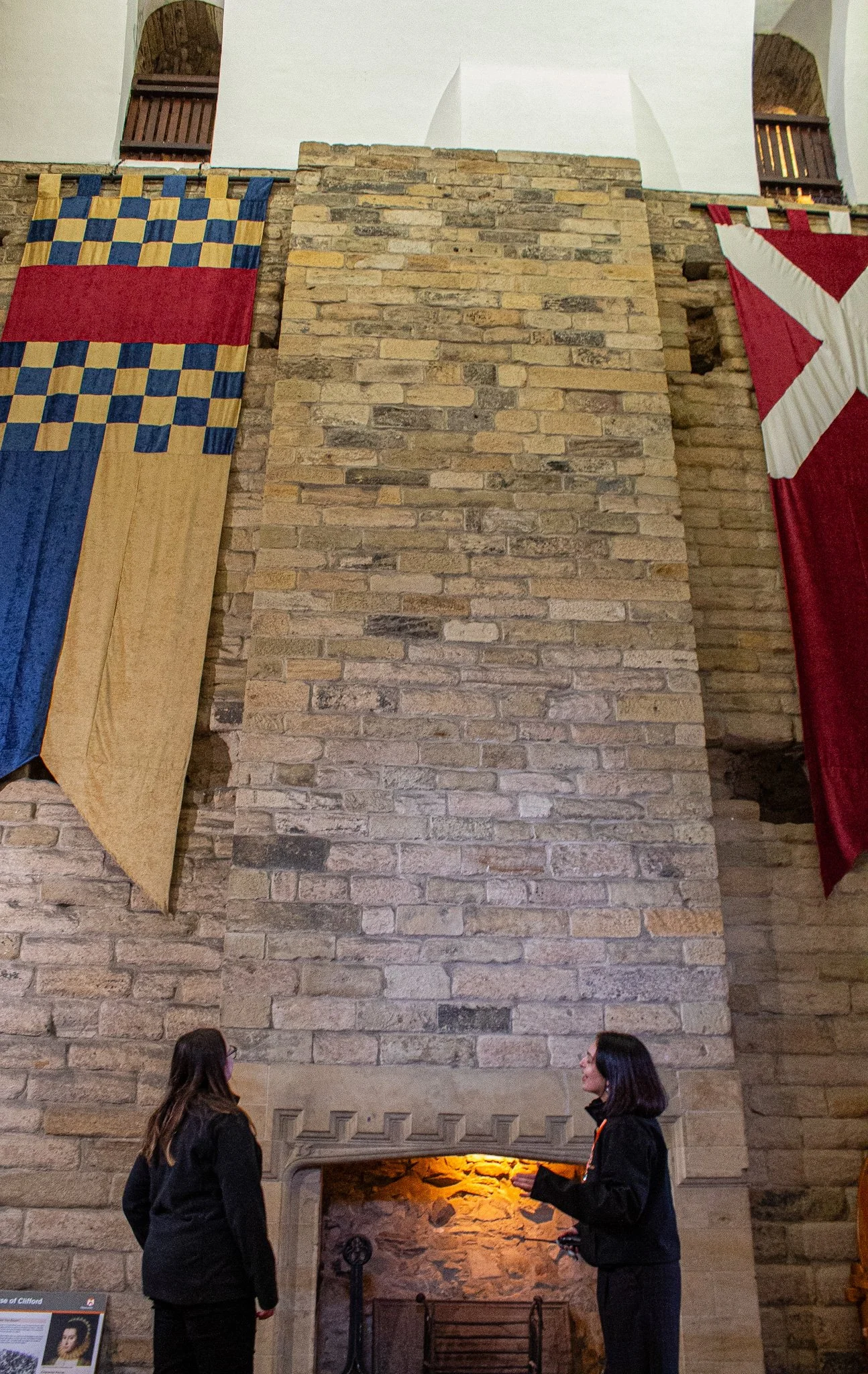
This room was probably used as the residence of the Constable. The fireplace and chimney breast belong to the 1810-12 restoration. In the 1820s this room was used as a prison for female debtors, and then a school was held here until c. 1848.
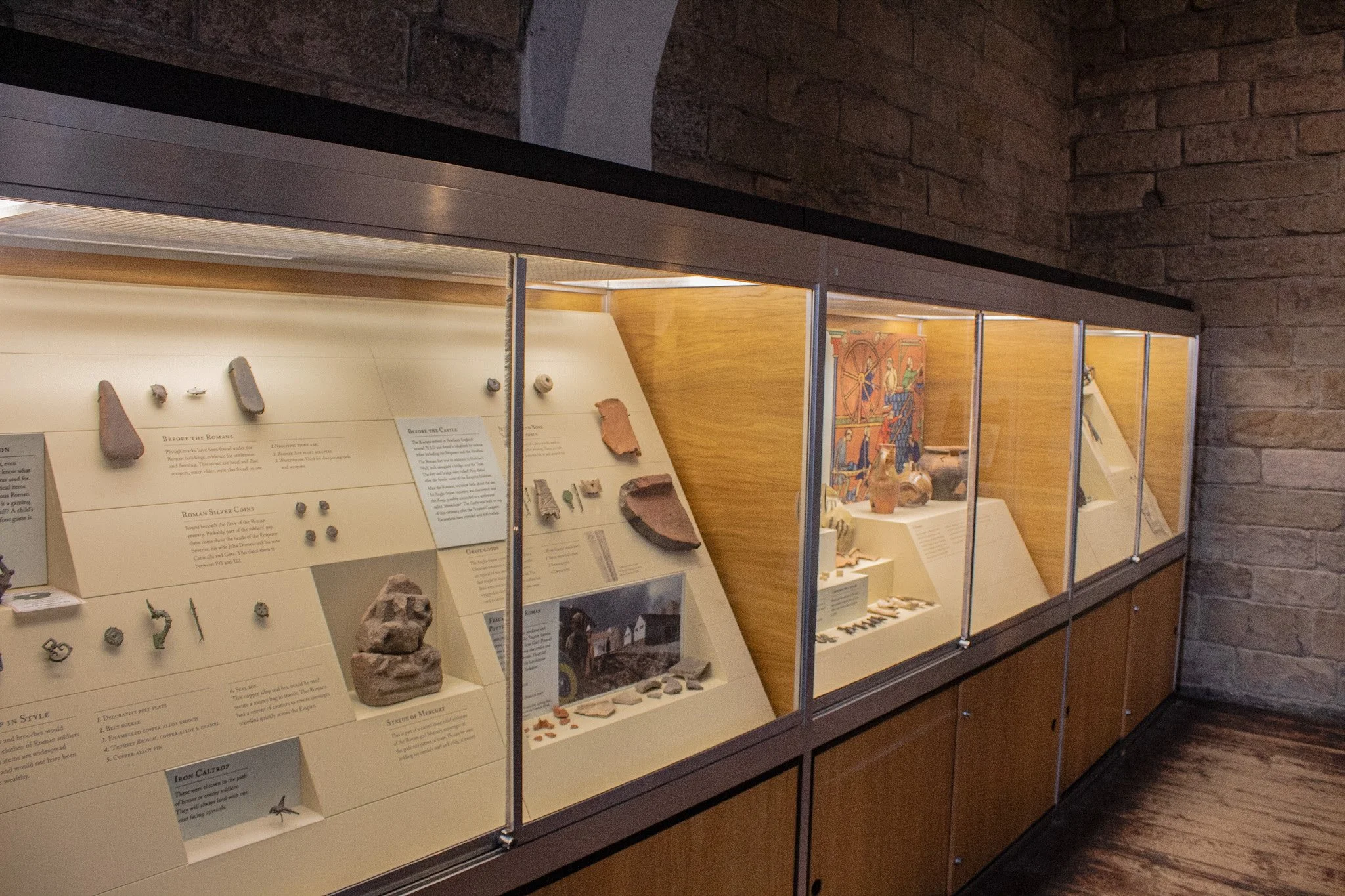
You can learn more about the history of the castle from it’s time as the Roman fort Pons Aelius, al the way through to the modern day, in the museum display in this room!
The Lower Hall